The Marvel superhero flick, which grossed $450 million worldwide, was illegally downloaded 8.3 million times, according to ComicBookMovie.
And providing us with further evidence that it’s a Nerd’s World and we’re just living in it: the hyper-violent “Sucker Punch,” and “Harry Potter and the Deathly Hallows” also made the Top 10. The movies were downloaded 7.2 million and 6 million times respectively.
Here’s the Top 10:
1. ‘Fast Five’ (Universal): 9.3 million
2. ‘The Hangover Part II’ (Warner Bros. / Legendary): 8.8 million
3. ‘Thor’ (Marvel/Paramount): 8.3 million
4. ‘Source Code’ (Summit / Vendome): 7.9 million
5. ‘I Am Number Four’ (DreamWorks / Disney): 7.7 million
6. ‘Sucker Punch’ (Warner Bros. / Legendary): 7.2 million
7. ‘127 Hours’ (Fox Searchlight): 6.9 million
8. ‘Rango’ (Paramount): 6.5 million
9. ‘The King’s Speech’ (Weinstein Co.): 6.3 million
10. ‘Harry Potter and the Deathly Hallows Part 2’ (Warner Bros.): $6 million
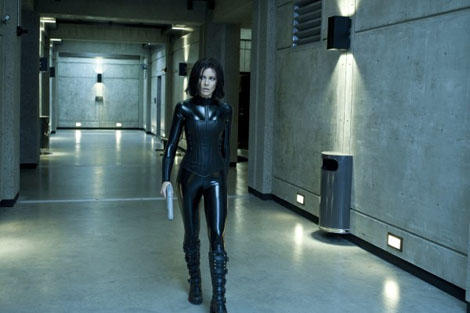
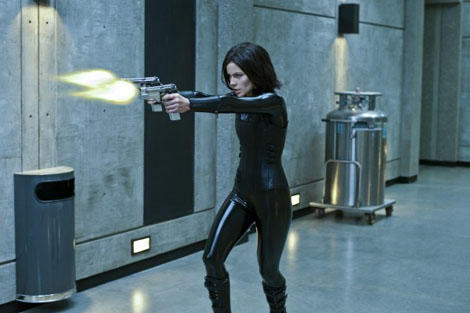
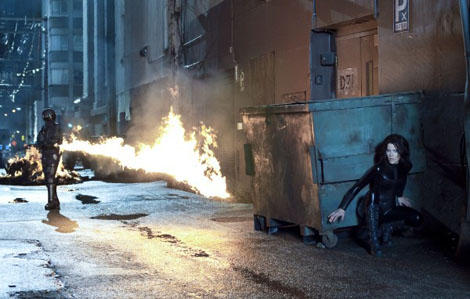
This one’s for the Kate Beckinsale fans among you.
Courtesy of TotalFilm, here’s some new images of the English actress, who’s appearing in the latest installment of the long-running Vampires vs. Werewolves franchise.
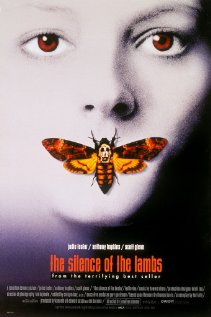
Helllooo … Clarice …. Anthony Hopkins’ Hannibal Lecter steps a little further into film history today as director Jonathan Demme’s 1991 tale of the erudite serial killer with a taste for human flesh officially becomes part of the National Film Registry.
In all, 25 films, including “Forrest Gump,” “El Mariarchi,” and John Ford’s “The Iron Horse” are expected to be added to the registry maintained by the Library of Congress, /Film reports.
Of the 2,228 nominated for preservation, the lucky two-dozen (plus one) were selected because “of their enduring significance to American culture,” James H. Billington, the Librarian of Congress, said in a statement printed by the New York Times.
The other movies making the cut, according to /Film, are:
A Computer Animated Hand (1972, Ed Catmull)
A Cure for Pokeritis (1912, Laurence Trimble)
Allures (1961, Jordan Belson)
Bambi (1942, David Hand)
El Mariachi (1992, Robert Rodriguez)
Faces (1968, John Cassavetes)
Forrest Gump (1994, Robert Zemeckis)
The Iron Horse (1924, John Ford)
The Kid (1921, Charlie Chaplin)
The Lost Weekend (1945, Billy Wilder)
Norma Rae (Martin Ritt, 1979)
Porgy and Bess (1959, Otto Preminger, Rouben Mamoulian)
The Silence of the Lambs (1991, Jonathan Demme)
War of the Worlds (1953, George Pal)
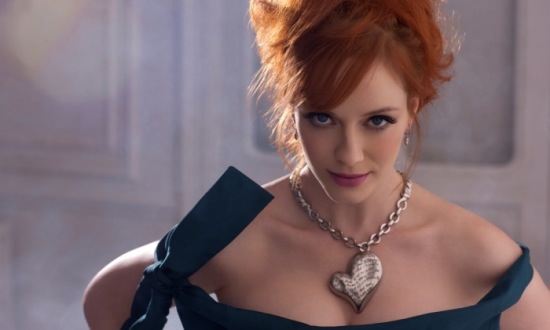
“The Daily Mail broke the news of Hendricks’ casting earlier this week. Potter’s film centers around two teenage rebels involved with the anti-nuclear movement in 1960s London, against the backdrop of the Cold War and the sexual revolution. Fanning will star as Ginger, the brainier one of the two girls, while Englert (daughter of director Jane Campion) is signed on to play boy-crazy Rosa. Nivola will play a writer who has an affair with his teenage daughter’s best friend. Bening and Hendricks’ roles have not been revealed at this time.
Hendricks tends to get as much attention for her looks as she does her actual talent. But Mad Men fans know she’s got actual chops — she more than holds her own against Jon Hamm, John Slattery, Elisabeth Moss, and the rest of the excellent cast — and her memorable performances on projects like Firefly and Drive show she’s got quite a bit of range as well. Here’s hoping Bomb will provide her with an opportunity to demonstrate some of that skill.”
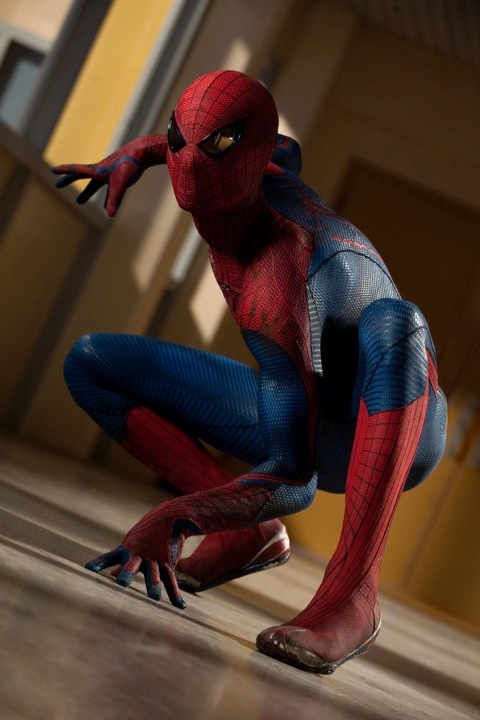
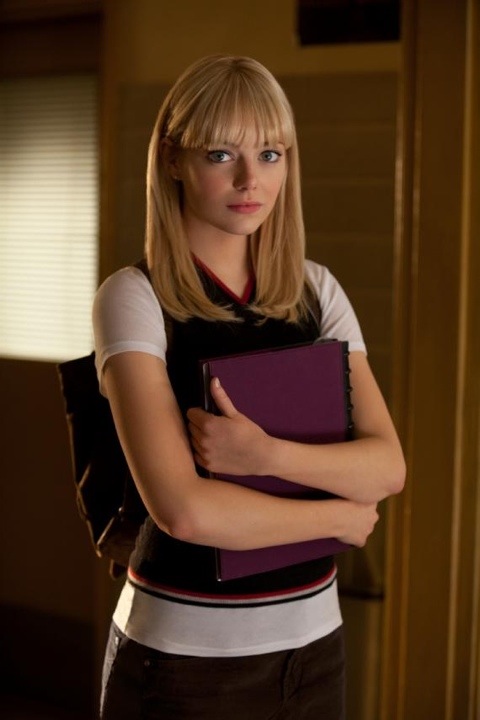
“Webb is taking the films back to the beginning, withGarfielddonning the Spidey suit once worn by Tobey Maguire, and Stone playing Gwen Stacy this time around, rather than Kirsten Dunst’s Mary Jane Watson. From what we’ve seen so far, the film looks to be a darker take on the superhero than the original three films, and I can’t wait to see what Webb’s done with it.
Along with Garfield and Stone, both of whom are very much deservedly rising young stars, the cast also includes Rhys Ifans as The Lizard, Martin Sheen and Sally Field as Ben and May Parker, Denis Leary as Captain Stacy, Chris Zylka as Flash Thompson, and Irrfan Khan as Dr. Ratha, with a script from Steve Kloves (the Harry Potter films), James Vanderbilt (Zodiac), and Alvin Sargent (Spider-Man 2 and 3).”
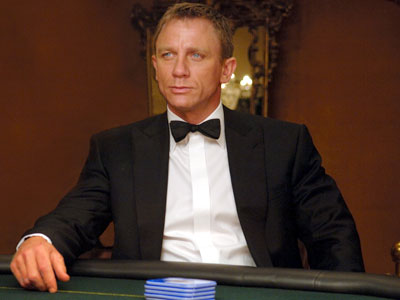
With news that his bosses want at MGM him for five more “James Bond” films, Brit actor Daniel Craig is sending out some encouraging signs about playing the immortal secret agent as production gears up for “Skyfall,” the Sam Mendes-directed 23rd installment in the long-running franchise.
In an interview with The Guardian, Craig says “I love playing Bond. It’s fantastic.”
“I’ve got no desire to escape the role,” says Craig, who’s starring opposite Rooney Mara this month in “The Girl with the Dragon Tattoo.”
<p
Here's the nut graf:
“Who knows what the result’s going to be?” Craig shrugs. “I think it will be fairly spectacular. I get paid a lot of money to do something I love to do, and whatever it is – the way I was brought up, or whatever – I feel if you’re getting paid you should put the work in. Maybe I’m stupid and everyone’s looking at me and saying: ‘Chill out, take the money and run.’ I can’t do that. I feel the more we put into it, the more we’ll get out. How best can we spend all this money? You don’t just take it and go, ‘Yay! See ya!’ I want millions of people to watch the movie. So why not make it good?”
This question occurred to me as my wife and I sat down the other night to watch the Farrelly Brothers’ 2011 comedy “Hall Pass.”
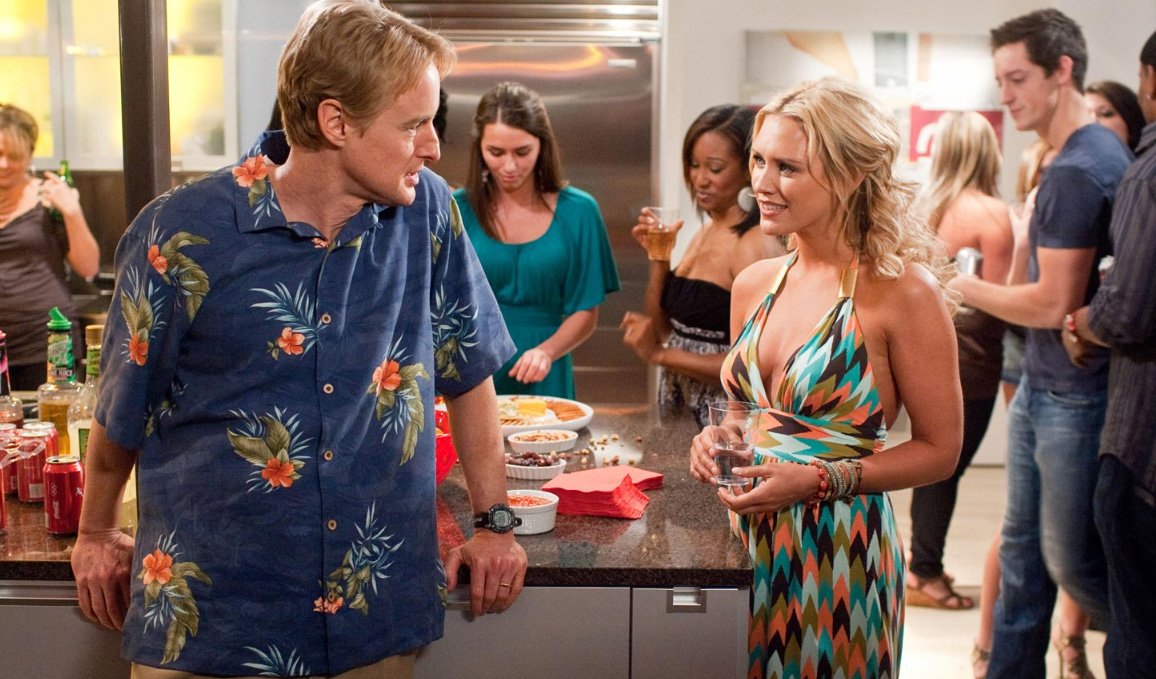
If you haven’t seen it, the movie covers the adventures of Rick (Owen Wilson) and Fred (Jason Sudeikis) a couple of stereotypically lunkheaded suburban fathers who (in addition to living the expected lives of quiet desperation) aren’t nearly as studly as they think they are. As is the case with the protagonists in most Farrelly films, they’re trying their best to be decent husbands and providers, but they’re still teenagers locked in the bodies of 40-something males. This means, at least in the case of Sudeikis, regularly rubbing one out in the family minivan.
In short, their wives, played here by Jenna Fischer and Christina Applegate, grant them a “hall pass,” a week off from marriage to do anything they want. Confronted with this freedom, they fail utterly to get off with the opposite sex and learn (by the closing credits, natch) that their place is with their wives and children.
There’s a few funny moments between Wilson, who seems to play variations on the same likable doofus he plays in every movie, and the drop-dead gorgeous Nicky Whelan, a barista at the local coffee shop and the object of Rick’s most base fantasies. A particular favorite for me comes when Wilson’s character tells off Whelan’s hipper-than-thou coworker at the coffee shop.
Sudeikis, a solid feature player from Saturday Night Live, fulfills the role of bawdy sidekick, tempting the far more square Rick down the primrose path. I’ll let you watch the movie to figure out the definition of “Fake Chow” — a new one for me, by the way.
There’s absolutely nothing surprising about the movie. And you can see the ending coming from a mile away. This didn’t take away from my enjoyment, necessarily, but it got me to wondering why Hollywood consistently shoehorns fathers into one of three or four convenient boxes.
As I noted above, there’s the perpetual manchild:
There’s the “Holy Crap! I’m a Dad! Now what do I do?” (which is a subspecies of the above):
The Bumbling Doofus: (as envisioned by Chevy Chase, the ur-Progenitor for every bumbling Dad to come after):
The “I’m Trapped In Suburbia And Slowly Dying Inside” Dad:
If you watch TV, then you know all about the “Schlub with the Impossibly Hot Wife” Dad:
And, of course, the “You Messed With My Family, Now I’ll Crush You” Dad:
Taken together, all those clips just begin to suggest the experience of what it’s like to be a father in the 21st Century. As the father of a six-year-old girl, I try to project best image I can for my daughter: Stern, but fair. A teacher. A guardian. A friend when the occasion demands it. Someone who cooks. Someone who laughs. Someone who plays with her.
But considered separately, those clips offer an awfully one-dimensional portrayal of fatherhood and modern married coupledom. And this depresses the hell out of me.
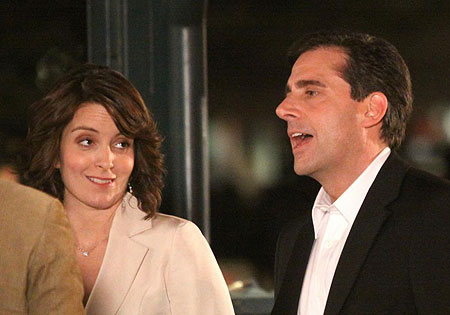
The most accurate portrayal I’ve seen recently, comes, ironically enough, from the Tina Fey/Steve Carrell comedy “Date Night.”
Putting aside the spy caper premise of the movie, the best moments come in the slyly observed interactions between husband and wife in Josh Klausner’s script. As with any couple, Fey and Carrell have developed their own emotional shorthand and vocabulary of inside jokes.
In a restaurant, for instance, they fill in the imagined conversations of their fellow diners. Over dessert, they run through their packed schedules, reminding the rest of us that the tiny moments between spouses not occupied by appointments or parenting commitments, have to be grabbed and cherished when they come along.
Underneath it all, it’s clear that they’re still very much in love with each other, that they’re adults in an adult relationship. Still, they’re looking for a way to keep things fresh and new — which is the biggest challenge of any long-lived marriage. In lesser hands, “Date Night” might have turned into another “Hall Pass.” Fortunately, Fey and Carrell are far too funny and intelligent to allow that to happen.
And it would be nice — at least once in a while — if Hollywood remembered that its audiences are also funny and intelligent and demand a bit more than the one-dimensional portrayals they’re being handed on what’s become a depressingly regular basis.







 The Cineaste's Lament.